In English there are not many rules to follow in order to sound formalor informal. The choice of first names rather than Mr or Mrs X is the first distinction. When
you meet someone for the first time you say: - How do you do? - Nice/pleased
to meet you. To which you can reply: - How do you do? - Pleased to meet youtoo. If the situation is very informal you can say: - Hi. I’m Jane, nice to meet you. – I’m Sarah, hi! Nice to meet you too.
When you greet someone you have already met before, you may say: - Good morning/afternoon/evening. These are the most formal greetings but
you can use "Good morning" with people you know well without sounding detached. - Good morning, John. Did you sleep well last night? - Good morning, Mrs Hancher. I’m sorry I’m late!
You can use "Hello" in all situations while "Hi" is rather informal.
Glossary
greet: saluti (verbo) greetings: saluti (sostantivo) Hello: Salve Hi: Ciao how do you do?: piacere in order sound formal: per essere formali nice/pleased to meet you: piacere/lieto di conoscerla Pleased to meet you too: Piacere mio rather: piuttosto reply: rispondere The choice: La scelta without sounding detached: senza sembrare distaccato
Translation
In inglese non ci sono molte regole da seguire per essere formali o informali. La scelta dei nomi di battesimo piuttosto che Sig. o Sig.ra X è la prima distinzione.
Quando incontri qualcuno per la prima volta dici:
- Piacere.
- Piacere/Lieto di conoscerla. A cui si può rispondere: - Molto lieto.
- Piacere mio.
Se la situazione è molto informale puoi dire:
- Ciao. Sono Jane, piacere di conoscerti. - Io sono Sara, ciao! Piacere mio.
Quando saluti qualcuno che hai già incontrato prima, puoi dire:
- Buon giorno/buon pomeriggio/buona sera.
Questi sono i saluti più formali, ma puoi usare "Good morning" con le persone che conosci bene senza sembrare distaccato.
- Buon giorno, John. Hai dormito bene stanotte (lett: la notte scorsa)?
- Buon giorno, signora Hancher. Spiacente di essere in ritardo!
Puoi usare "Hello" (Salve) in tutte le situazioni mentre "Hi" (Ciao) è piuttosto informale.
When you leave you may choose between the following farewells:
"Goodbye!" or "Bye!" or even "See you later".
You can add "Have a nice day" or "Have a nice week-end" if you are speaking to a friend or a colleague and answer "Thank you, same to you".
"Cheerio" is a very informal way of saying goodbye.
You say "Goodnight" only before you go to bed.
This is what you say on different happy occasions:
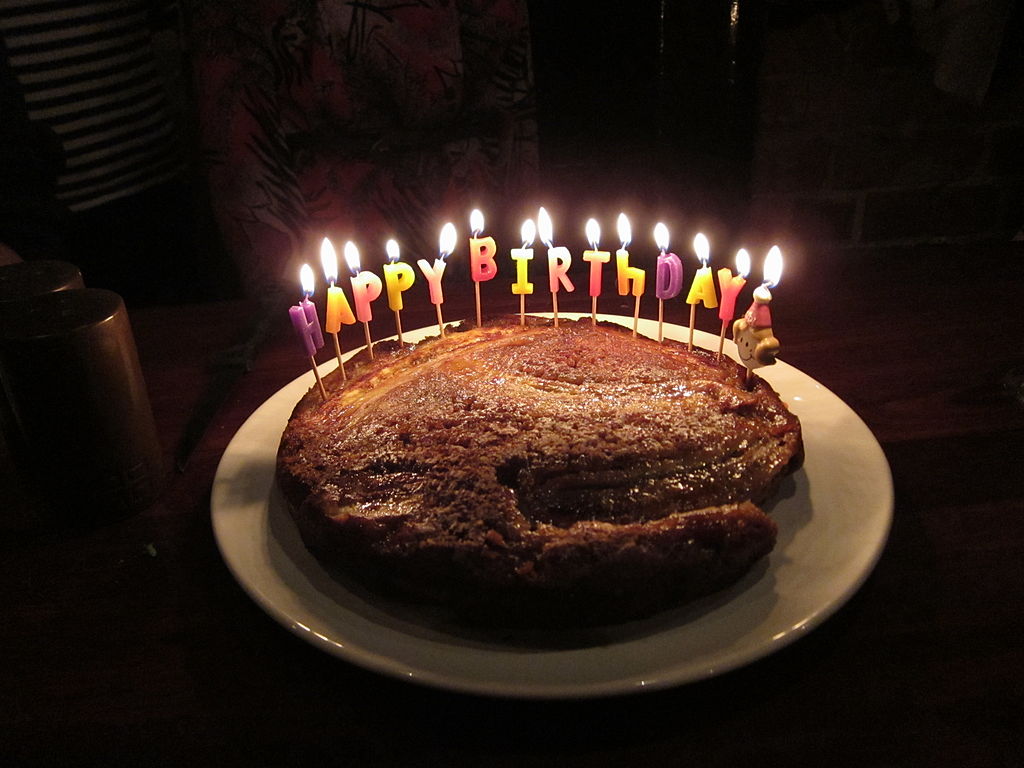
"Happy birthday", on someone’s birthday;
"Happy or Merry Christmas" and "Happy Easter" just before or on Christmas or Easter Day;
"Happy New Year" on New Year’s Eve and at the beginning of the year;
"Cheers!" when you have a drink with someone and want to express good wishes;
"Good luck!" to wish someone well before an important test;
"Congratulations!" and often "Well done!" to someone who has just succeeded in doing something.
Glossary
Bye: forma abbreviata di Goodbye Cheerio: Un saluto molto informale Cheers: Salute Congratulations: Congratulazioni Good luck: Buona fortuna Goodbye: Arrivederci Goodnight: Buona notte Happy birthday: Buon compleanno Happy Easter: Buona Pasqua Happy New Year: Felice Anno Nuovo Happy or Marry Christmas: Buon Natale have a nice day: buona giornata See you later: A più tardi Thank you, same to you: Grazie, anche a te Well done: Ben fatto
Translation
Quando vai via puoi scegliere fra i seguenti saluti di commiato:
"Arrivederci!" o "Ciao!" o anche "A più tardi".
Puoi aggiungere "Buona giornata" o "Buon fine settimana" se stai parlando ad un amico o ad un collega, e rispondere "Grazie, anche a te".
"Cheerio" è un modo molto informale per dire arrivederci.
Si dice "Buona notte" solo prima di andare a letto.
Questo è quello che si dice in diverse occasioni felici:
"Buon compleanno", al compleanno di qualcuno;
"Buon Natale" e "Buona Pasqua" poco prima o il giorno di Natale o di Pasqua;
"Felice Anno Nuovo" la vigilia di Natale o all'inizio dell'anno;
"Salute!" quando bevi con qualcuno e vuoi esprimere buon augurio.
"Buona fortuna!" per augurare bene a qualcuno prima di una prova importante.
"Congratulazioni!" e spesso "Ben fatto" a qualcuno che è appena riuscito a fare qualcosa con successo.